Detecting and monitoring changes
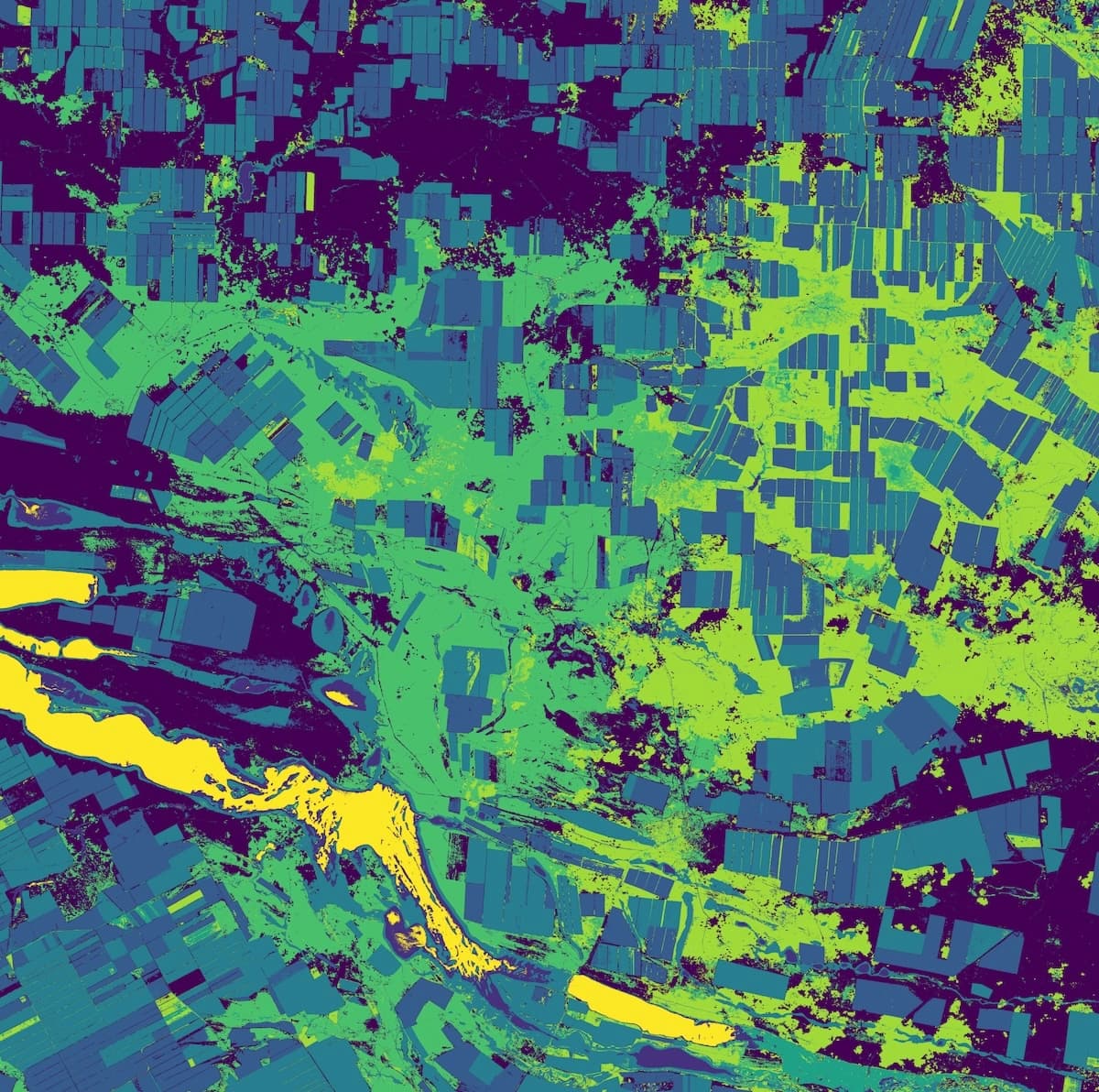
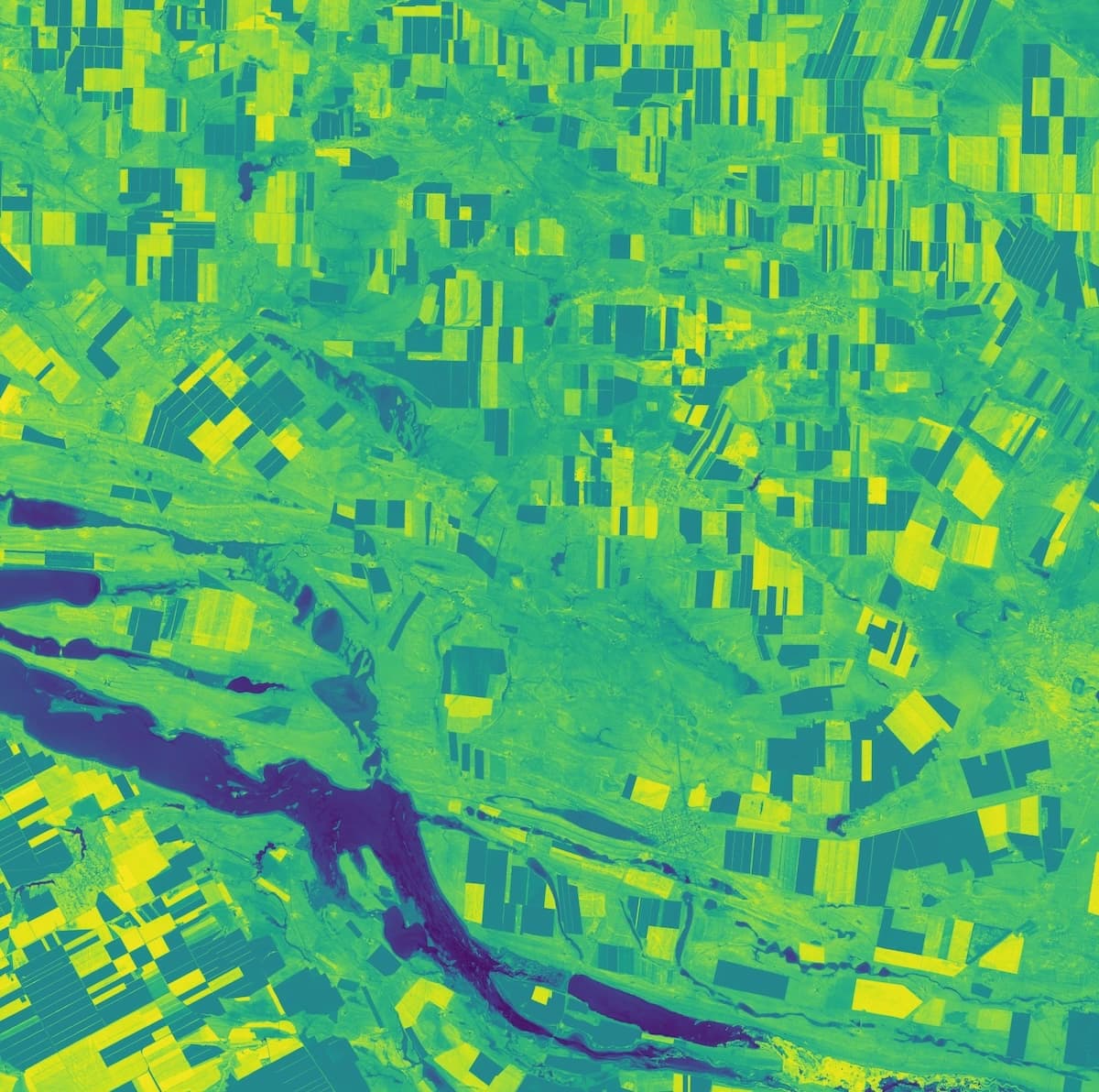
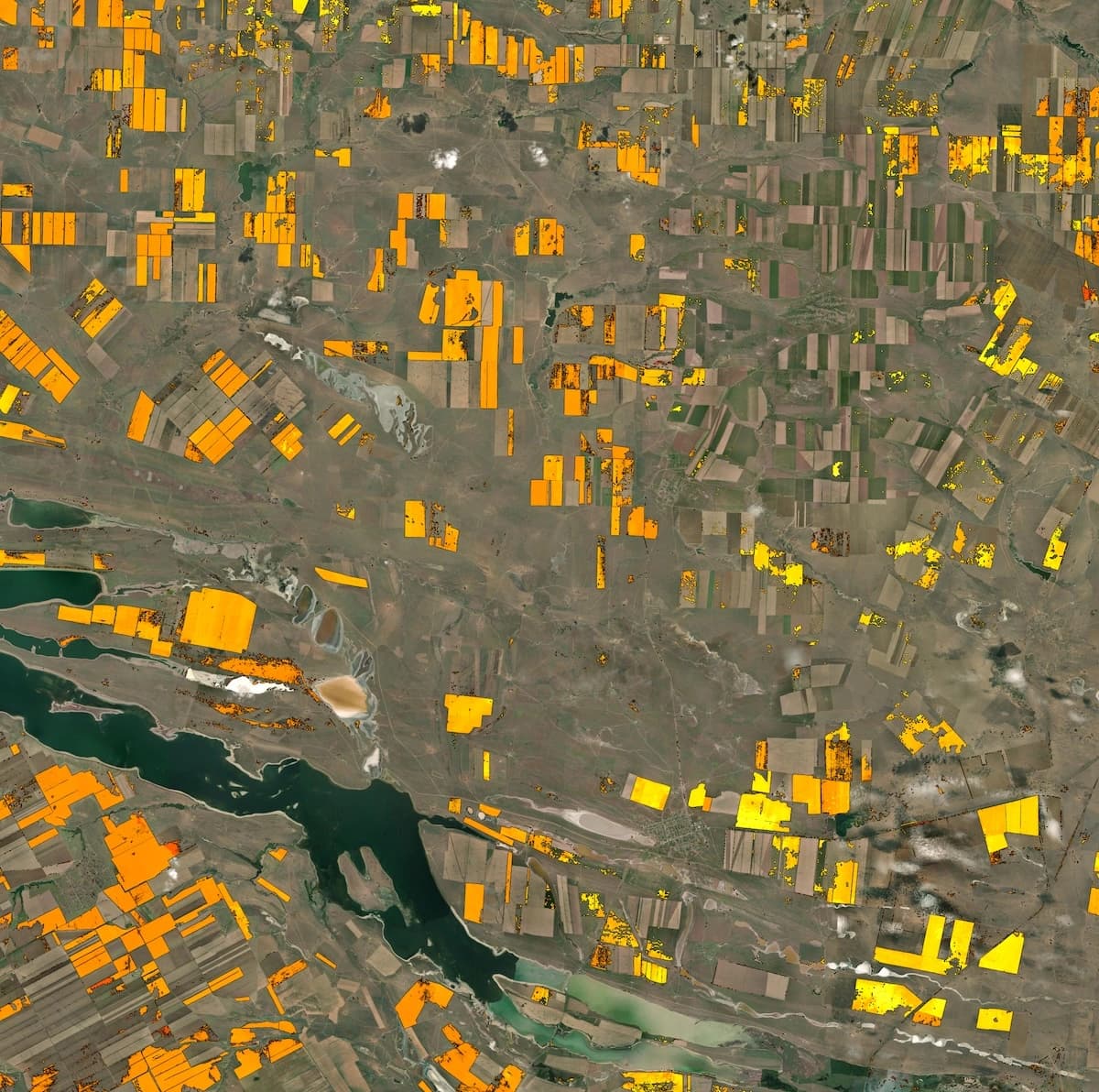
We use proprietary neural network algorithms to detect changes caused by human influence, excluding seasonal and other natural and cyclical events. By identifying areas of development, environmental pollution and other anthropogenic activities, we can save up to 90% of the cost of updating and supporting geographic information systems (GIS) by eliminating the need for manual data analysis for changes in objects and territories. The resulting data provides analysts with the ability to plan and order up-to-date new high-detail satellite imagery, which increases efficiency and reduces costs for monitoring valuable assets and informing geospatial data updates. We leverage the unique characteristics of moderate spatial resolution satellite systems, multispectral data and radar (SAR) data. The change monitoring service uses historical data from NASA's Landsat satellites and data from the European Space Agency's Sentinel-1 and Sentinel-2 satellites.
Change Detection
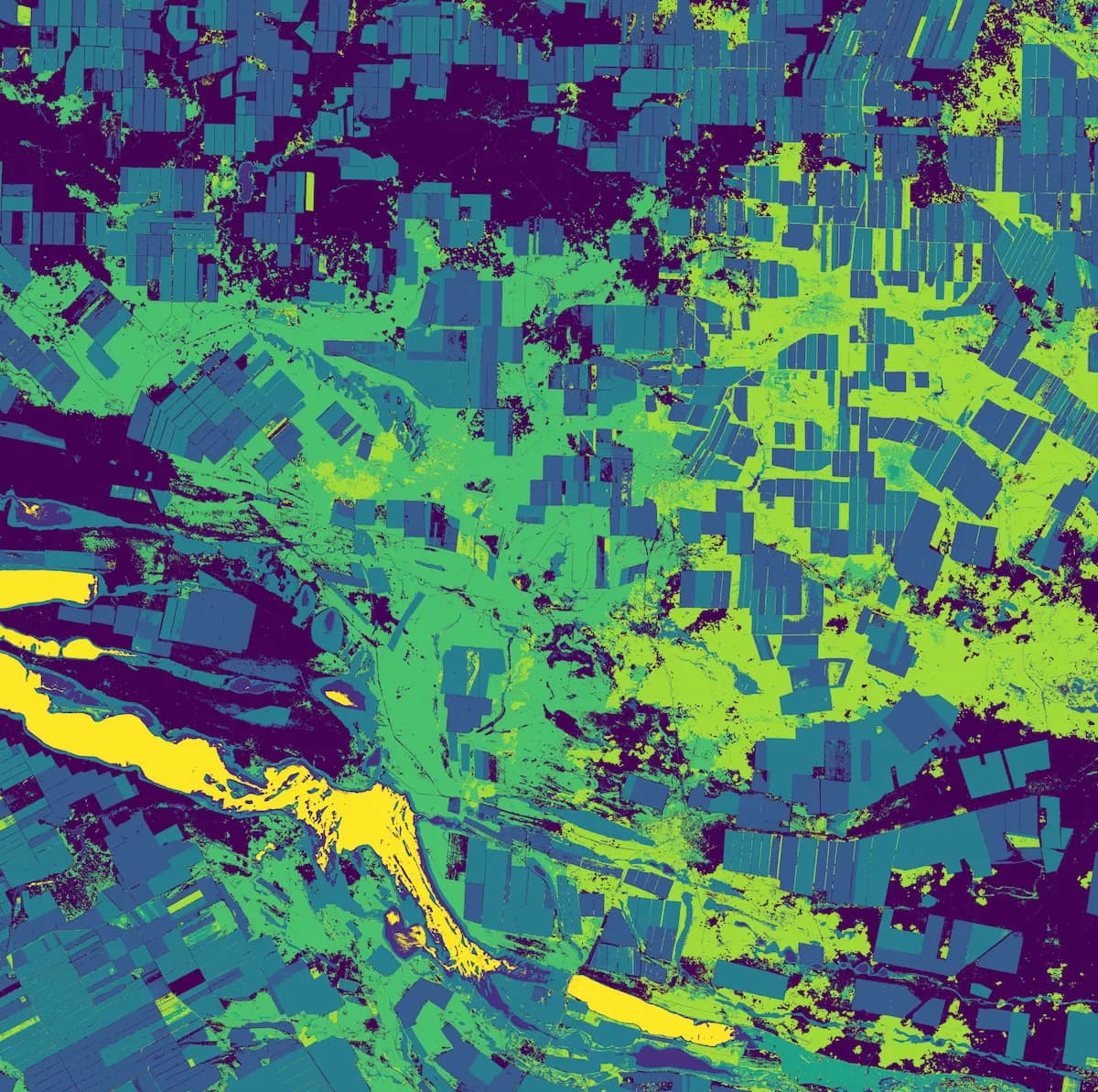
Changes in the infrastructure and use of land often occur on a large scale, which complicates analysts with the identification, mapping and monitoring of events on a large scale. The monitoring service of changes emphasizes anthropogenic events in the region and displays stable changes in a convenient format in the form of a color geospatial data layer.
Noise filtering
Traditional technologies for detecting changes often lead to false positive results due to shooting factors, such as the angle of sunlight or weather phenomena. We use correlation analysis and large historical samples in order to determine cyclic changes and focus on the most significant changes in this area.
Prioritization
Define priority areas for analysis and monitoring of events, receive notifications when changes are detected.
Data Update
Find out where anthropogenic changes are occurring on the Earth's surface within an hour of receiving the data.
Activity monitoring
Provide cost-effective monitoring of hazards and construction activities over large areas.
Trend analysis
Explore historical changes and deviations from growth and development patterns as a basis for specific analytical services.
The use of machine learning algorithms when processing remote sensing data allows for monitoring, performing various types of calculations and characterization, and combining the results into pipelines for a wide range of tasks.